


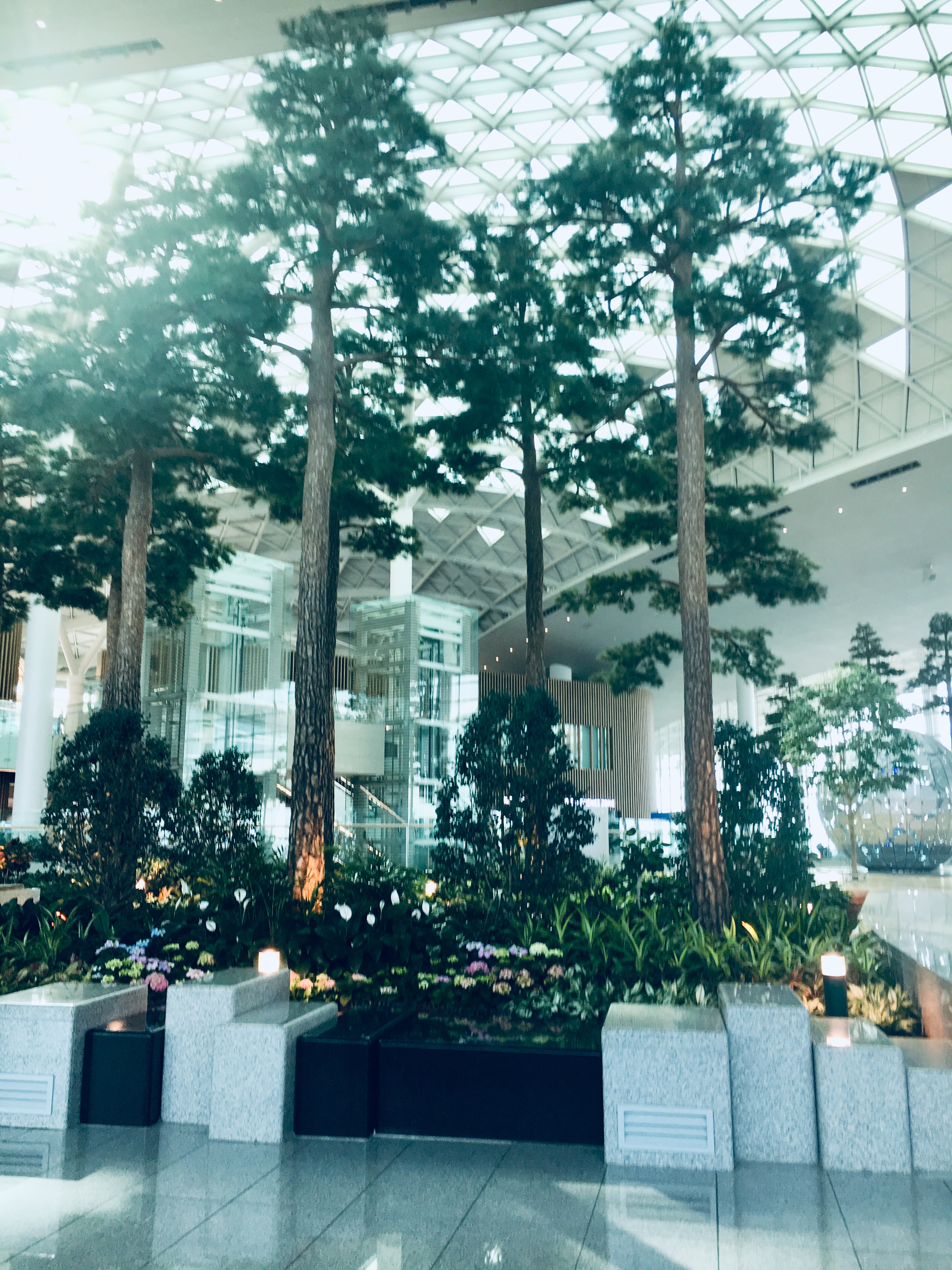
The South Korea airport is what you would expect. Minimalist and very modern, I loved it. They even had lots of gardens and nature references throughout.
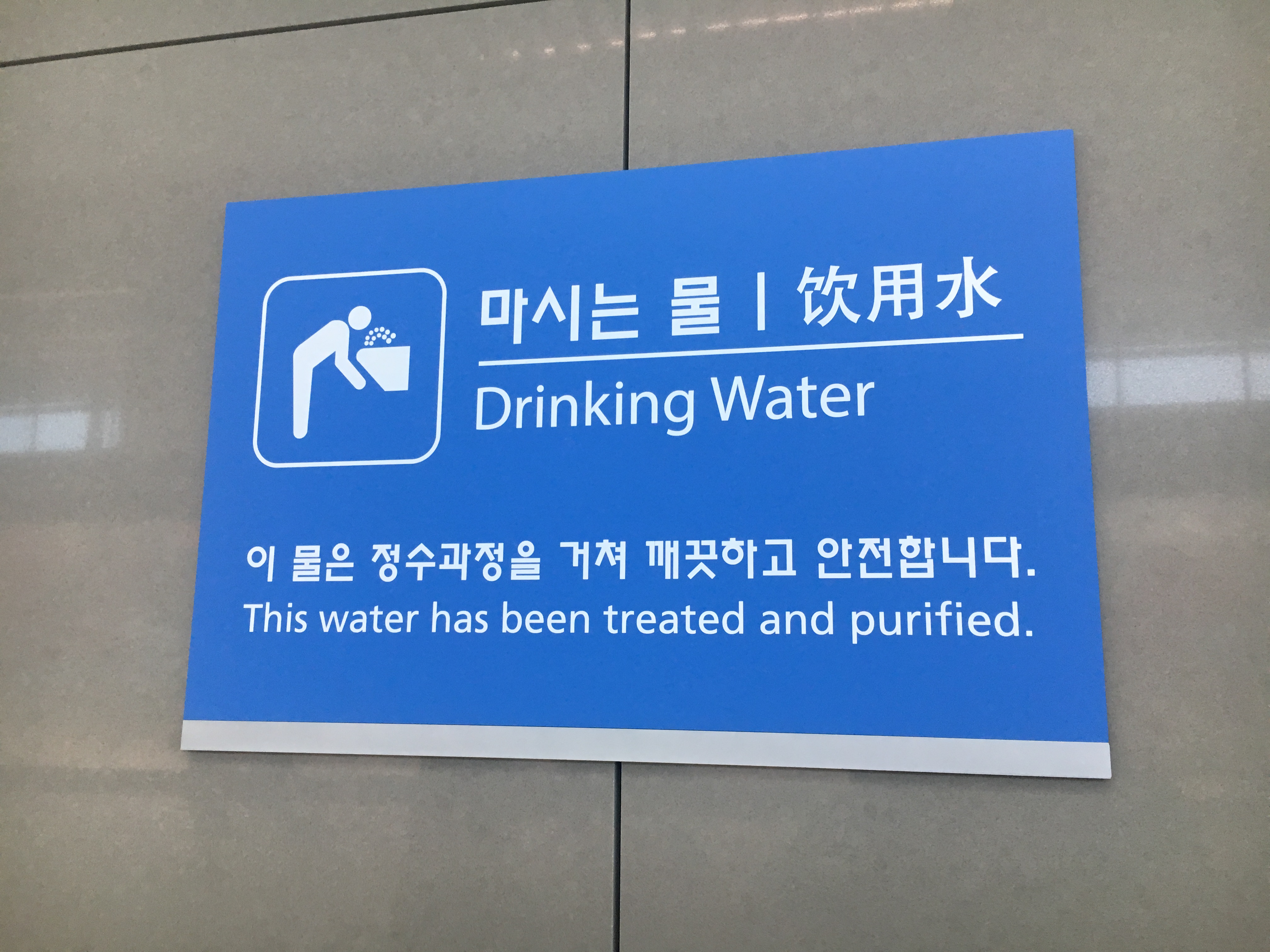
Before coming on the trip, my mom and I had discussed buying me a new water bottle. I decided against it because it would be helpful for flying at airports to refill, but would render useless when I got to the countries of Myanmar and India since Americans are advised not to drink the water straight since it is treated differently. That’s one thing people who haven’t traveled before don’t quite comprehend, not being able to drink the water. What exactly does that mean? Every time you see a water fountain, even if you are thirsty you should say no (unless it specifically states that it has been treated). When you shower you are supposed to avoid looking up at the water source as to not get water in your mouth. When you brush your teeth, you have to open up a new water bottle just to dip the head of your toothbrush in it before putting toothpaste on. When you are rinsing your facial scrub off you have to repeatedly cup water from the water bottle onto your hand and then splash it on your face. When you go to make any food, you have to fill up pans with bottled water which takes forever. When you clean your ears with Q-tips, again you have to dip them cleanly into bottled water. Every time I do an activity, I have to think twice and ask myself does this require water and how can I get it?
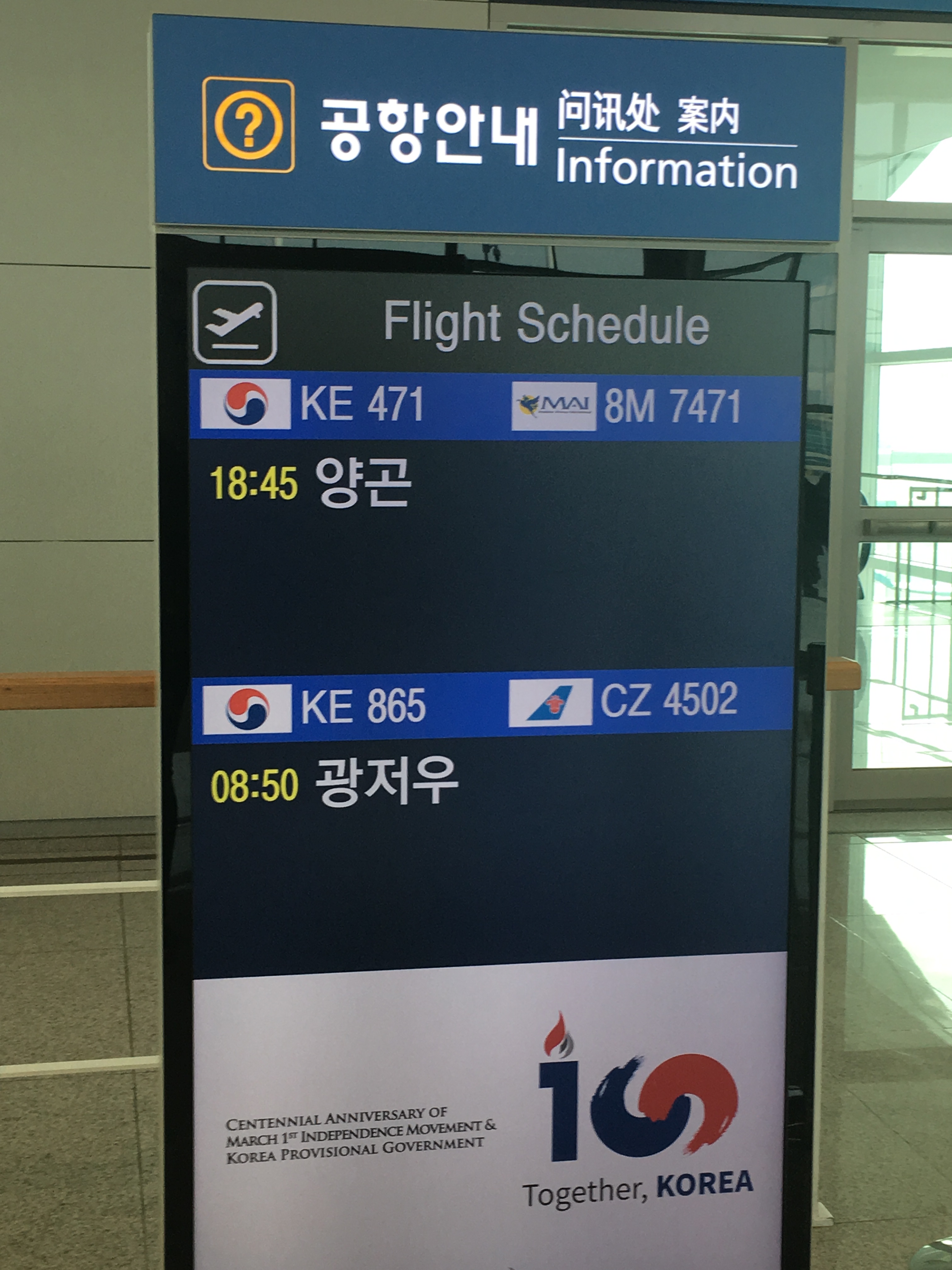
After making my way through the airport and hearing numerous live singers and performers in between departure gates, I finally found where I needed to be. I’m not sure how considering it was in Korean but I proudly made it work.
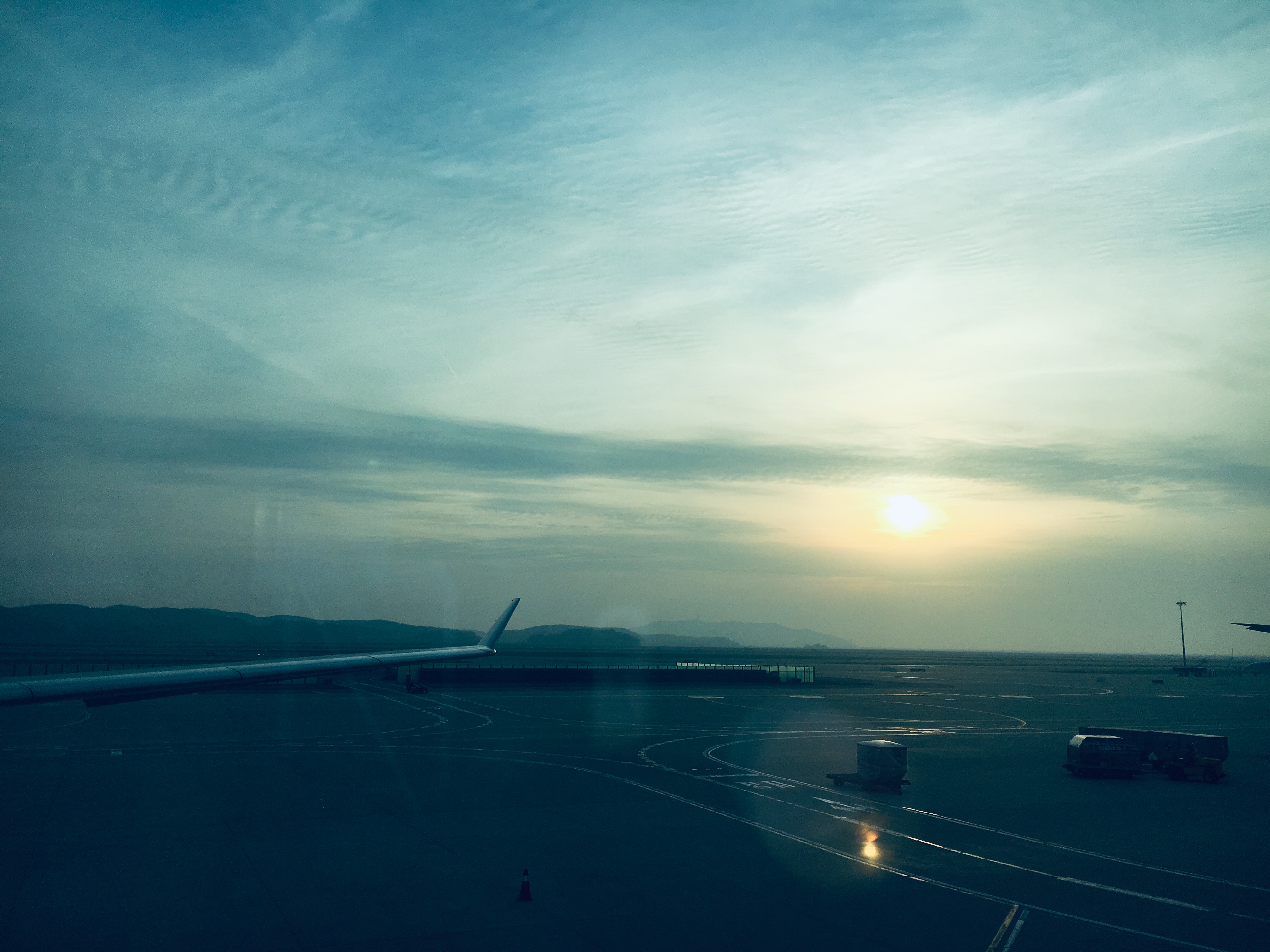
Before boarding onto the plane, I stopped for a second and was able to catch a sunrise on the horizon against the mountains in the distance. I took a deep breath and, in that moment, this four month experience felt very real but also I was calm and ready to take it on.
On the plane it was the first time since I had embarked that English wasn’t the prominent language. The flight attendants mainly spoke Burmese (language in Myanmar), the passengers primarily didn’t understand any English, and even the safety flight video was in Burmese with English subtitles. In the United States I’ve always had the privilege of feeling the dominant position (being a citizen, being white, speaking the language). In my travels before, I’ve been a minority race (Grenada) but still spoken the language. And even in Nicaragua and Peru, I was a minority race but could speak a fair amount of the language and didn’t feel lost. For the first time, I felt what it was like to be at multiple disadvantages: I don’t speak Burmese, my skin color does not match those around me, and I’m not from the region. It’s quite a different feeling, worrying about people staring. Wondering what they are saying when they whisper in a different language right in front of you. Not knowing how to ask for anything or how to get around. It really creates a mental toughness and an ability to adapt to situations.
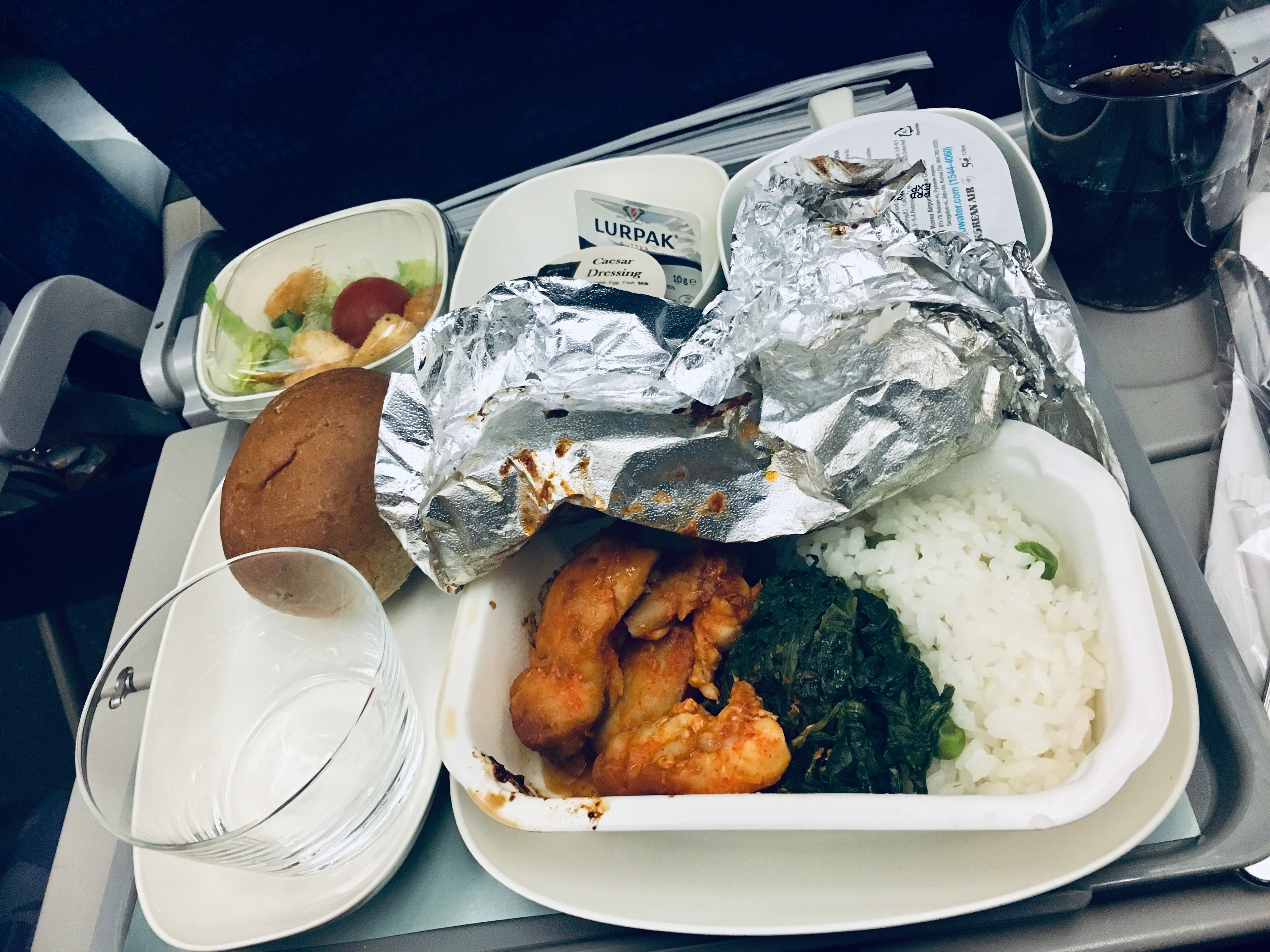
On the plane I got my first taste of Burmese food. It was basically like super spicy saucy chicken with white rice and sautéed vegetables. Honestly, I thought to myself, “Hey I can do this” (more on this to come in future posts). Plus the strawberry cheesecake ice cream was out of this world!

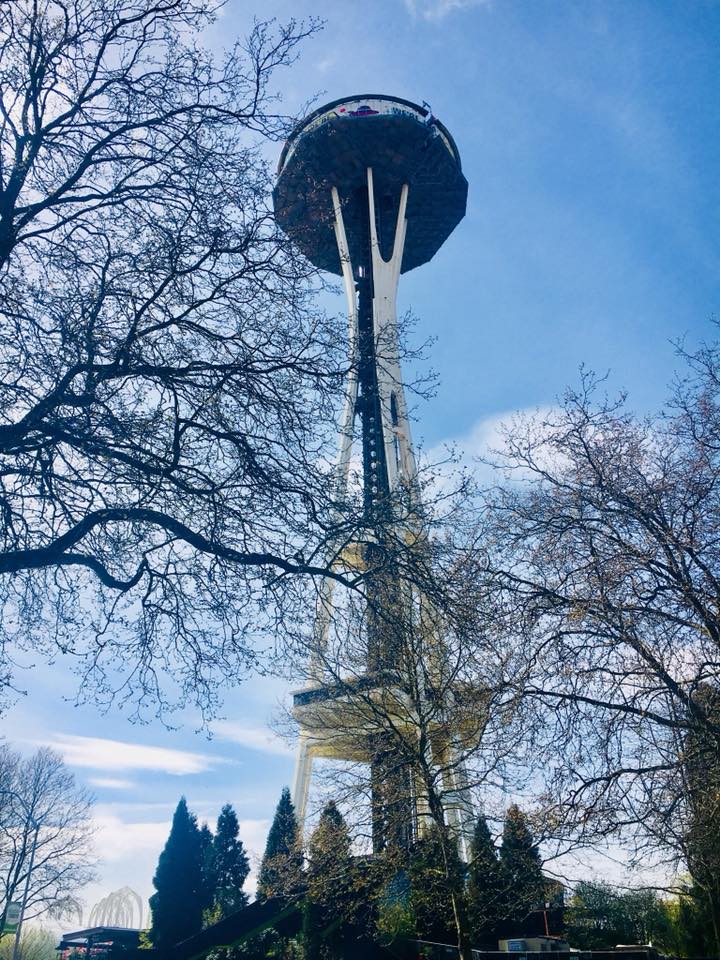
The majority of the plane I spent reading my new favorite book, “The Moment of Lift” by Melinda Gates. People close to me know that working for the Bill and Melinda Gates Foundation is a dream I hold. A little background, when I traveled to Seattle, Washington for the first time in April of 2018 I went on a tourist splurge doing lots of activities including the aquarium, outdoor sculpture parks, Japanese gardens, Snoqualmie Falls, wine tastings, Pike Place Market, the zoo, sailing lessons, a Mariners Game, a boat cruise, and Chihuly garden and glass sculptures. But the most special one to me was the Space Needle, for obvious and not so obvious reasons. The obvious reason being that I love spectacular views and the Space Needle was that and more. It was the first time I saw the gigantic city but also contrasting it with the peaceful water around the tall buildings. Less obvious, it’s a block and a half away from the Bill and Melinda Gates Foundation.

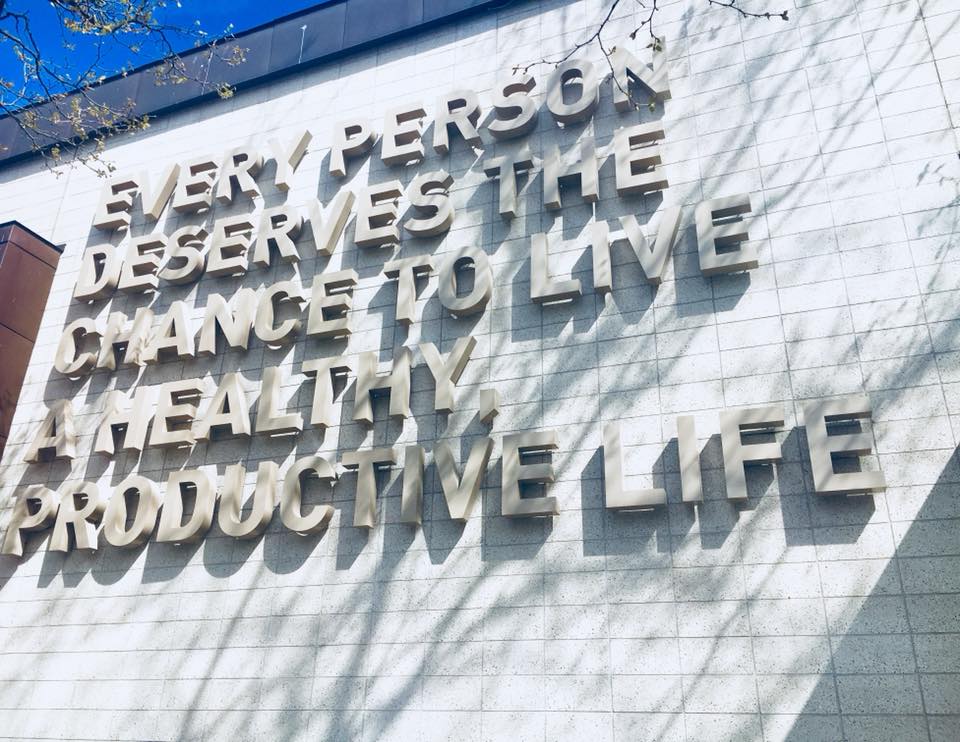
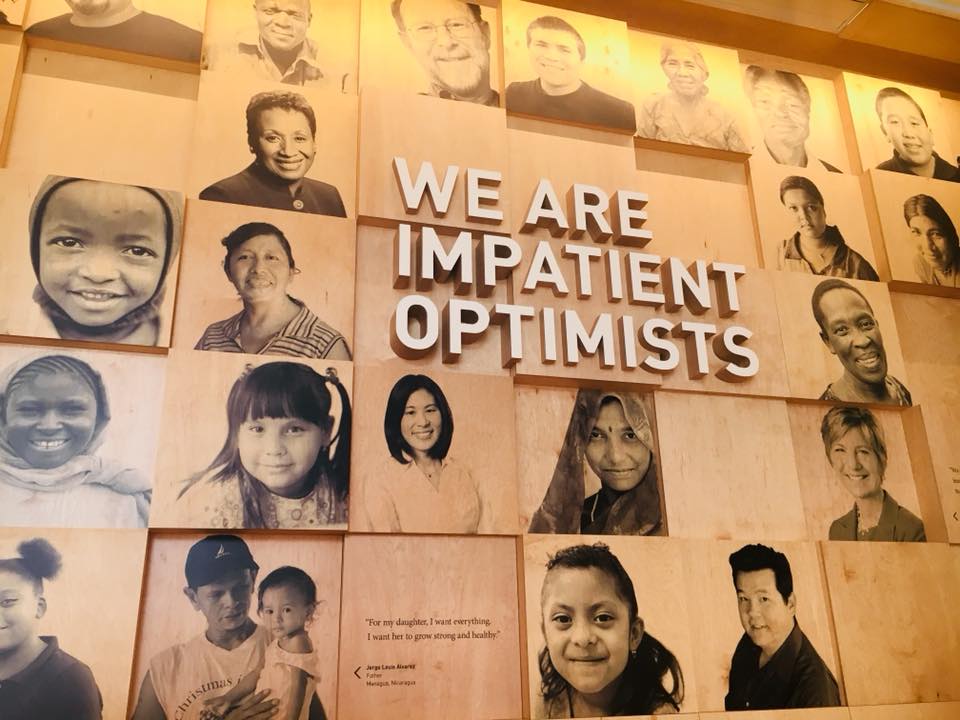
The Bill and Melinda Gates Foundation was started in 2000 and is the largest private foundation in the world. Their missions and visions include the following: “We seek to unlock the possibility inside every individual. We see equal value in all lives. And so we are dedicated to improving the quality of life for individuals around the world. We believe that by giving people the tools to lead healthy, productive lives, we can help them lift themselves out of poverty. We know women and girls have a unique power to reshape societies. When you invest in woman’s health and empowerment, it has a ripple effect, helping families, communities, and countries achieve long-lasting benefits. All lives have equal value. We are impatient optimists working to reduce inequity.”
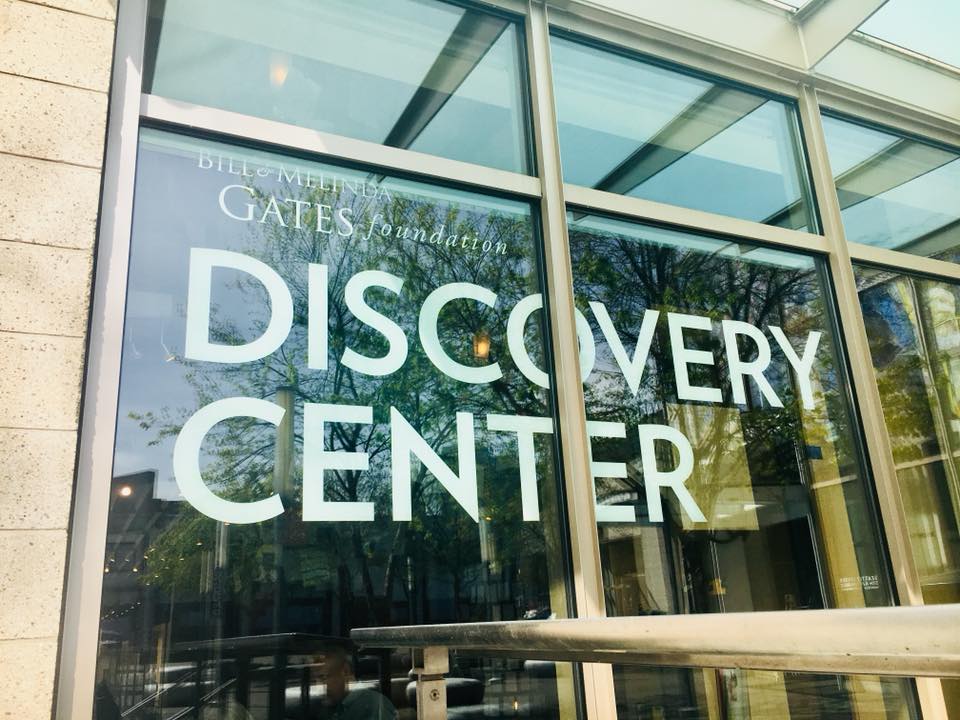
Going to the Bill and Melinda Gates Foundation was a life changing experience for me. I’ve never felt so at home. My beliefs about human value, education, health, and women felt so in sync. It was like having someone else be able to craftily articulate exactly what I feel inside my core. It’s difficult explaining to people what I believe and what I want to do, and for the first time in my life, I felt like people comprehended it and also felt it was important. Ever since then I knew this this type of work is what I want to pursue.
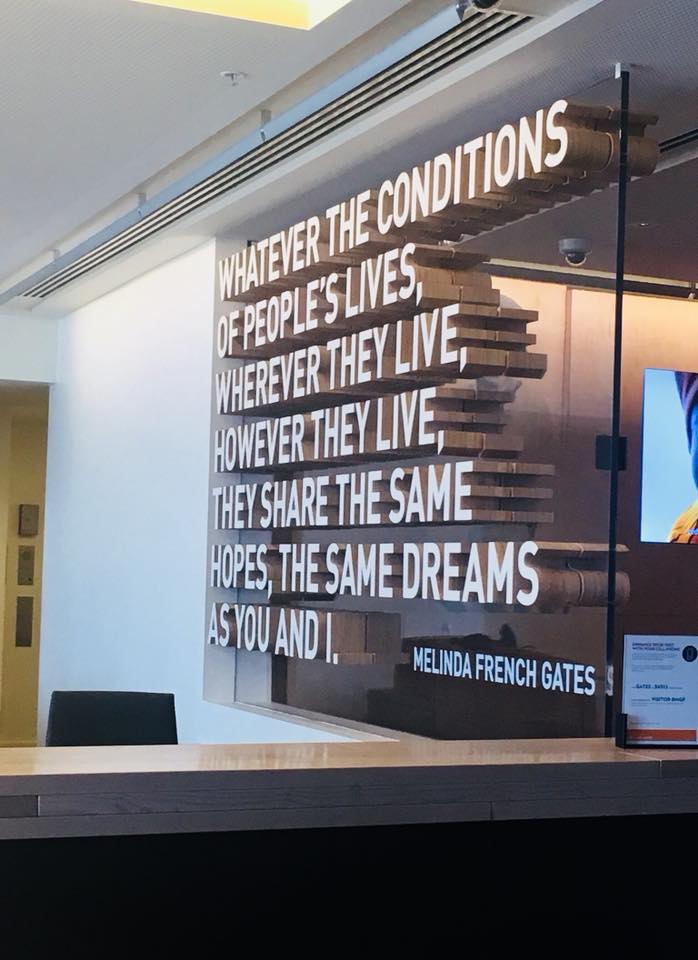
For a birthday gift I received the book “The Moment of Lift” by Melinda Gates. By far one of the greatest gifts I’ve ever gotten. I’m about halfway through the book so I will probably reference it again as I complete it. It has been a very eye opening read for me, challenging and affirming me in ways I didn’t anticipate. I don’t want to make this a book review, but I do want to share some of my favorite parts below since it is important to me and what I am passionate about.
“Because sometimes all that’s needed to lift women up is to stop pulling them down.”
“In my travels, I’ve learned about hundreds of millions of women who want to decide for themselves whether and when to have children, but they can’t. They have no access to contraceptives. And there are many other rights and privileges that women and girls are denied: The right to decide whether and when and whom to marry. The right to go to school. Earn an income. Work outside the home. Walk outside the home. Spend their own money. Shape their budget. Start a business. Get a loan. Own property. Divorce a husband. See a doctor. Run for office. Ride a bike. Drive a car. Go to college. Study computers. Find investors. All these rights are denied to women in some parts of the world. Sometimes these rights are denied under law, but even when they’re allowed by law, they’re still often denied by cultural bias against women.”
“The engines are igniting; the earth is shaking; we are rising. More than at any time in the past, we have the knowledge and energy and moral insight to crack the patterns of history. We need the help of every advocate now. Women and men. No one should be left out. Everyone should be brought in. Our call is to lift women up – and when we come together in this cause, we are the lift.”
“To me, it’s very simple. Being a feminist means believing that every woman should be able to use her voice and pursue her potential, and that women and men should all work together to take down the barriers and end the biases that still hold women back.”
One of the most surprising and challenging views I perceived from the book was on contraception. Coming from the United States, I think most people view it as a reproductive health choice for women that is debated whether to limit access or not. This book opened my eyes to seeing just how crucial and valuable contraception is on such a deeper level.
“When women in developing countries space their births by at least three years, each baby is almost twice as likely to survive their first year – and 35 percent more likely to see their fifth birthday…The reasons are simple…when women space their pregnancies, they were more likely to receive an education, earn an income, raise healthy children, and have the time and money to give each child the food, care, and education needed to thrive. When children reach their potential, they don’t end up poor. This is how families and countries get out of poverty. In fact, no country in the last fifty years has emerged from poverty without expanding access to contraceptives…contraceptives are the greatest life-saving, poverty-ending, women-empowering innovation ever created.”
“As women gain rights, families flourish, and so do societies. That connection is built on a simple truth: Whenever you include a group that’s been excluded, you benefit everyone. And when you’re working globally to include women and girls, who are half of every population, you’re working to benefit all members of every community. Gender equity lifts everyone.”

“We can look at each of these issues as a wall or a door. I think I already know which way we see it. In the hearts and minds of empowered women today, “every wall is a door.” Let’s break down the walls and walk through the doors together.”
“Love is the most powerful and underused force for change in the world. You don’t hear about it in policy discussions or political debates. But Mother Teresa, Albert Schweitzer, Mohandas Gandhi, Dorothy Day, Desmond Tutu, and Martin Luther King Jr. all did hardheaded, tough-minded work for social justice, and they all put the emphasis on love.”
“A girl who is given love and support can start to break the self-image that keeps her down. As she gains self-confidence, she sees she can learn. As she learns, she sees her own gifts. As she develops her gifts, she sees her own power; she can defend her own rights. That is what happens when you offer girls love, not hate. You lift their gaze. They gain their voice.”
“From those to whom much is given, much is expected.”
“I’ve never held the view that women are better than men, or that the best way to improve the world is for women to gain more power than men. I think male dominance is harmful to society because any dominance is harmful: It means society is governed by a false hierarchy where power and opportunity are awarded according to gender, age, wealth, and privilege – not according to skill, effort, talent or accomplishments. When a culture of dominance is broken, it activates power in all of us. So the goal for me is not the rise of women and the fall of man. It is the rise of both women and men from a struggle for dominance to a state of partnership.”
This book gets me fired up. So eager and excited.
As the airplane started to descend, my biggest fears started to set in. What language were the signs in? What line do I get in for my business visa? Will they accept my visa (it was originally denied when I applied)? Will the agents speak English? Will customs ask me a lot of questions? Will I get both of my checked bags safely? Will there be WIFI at the airport? Will I be able to contact one of the girls I’m living with (Divya)? Will I be able to locate the taxi that she ordered for me? So many questions.
And poof. After less than 30 minutes, all of these questions were answered and resolved swiftly. My anxiety leading up to this day, although rightfully scary, was beyond unwarranted.
One of the first notable differences, of course was the heat. Granted, I had anticipated this was the case, but I was not ready for it. The day I left for the airport the temperature in Michigan was about 42 degrees. When I stepped off of the plane, the temperature in Myanmar at almost 11pm was 97 degrees. After 6 minutes of lugging my suitcases around in the heat, I had already broken into a full on sweat.
After my 20-minute ride from RGN to Sanchaung, I got out of the taxi and back into the heat. Almost all taxis, shops, and restaurants blast the air conditioning due to the extreme heat. The driver grabs my bags and hands them to me and then starts to communicate in Burmese. I kept looking at him and his gestures trying to figure out what he was saying. I tried to call my roommate and ask where she was. Luckily a few minutes later she came down and paid the driver. This was my first of many experiences trying to communicate with someone where neither of us speak any of the same language.
We walk down the street a little way from where the taxi dropped me off and we arrive at the entrance to the apartment. The first thing I notice was the numerous stray dogs just sleeping on the ground. That is very common here, dogs everywhere. This reminds me of my time in Nicaragua and Peru where stray dogs were also very common. But in contrast to Nicaragua, the dogs here are prominent even downtown in the cities whereas in Nicaragua and Peru they were more frequent in rural areas.
The next great surprise is that we live on the 6thfloor of the building, the top floor. With no elevator. Here we are, two girls in the heat trying to drag my suitcases up the stairs. Thankfully she helped or else I would’ve passed out.
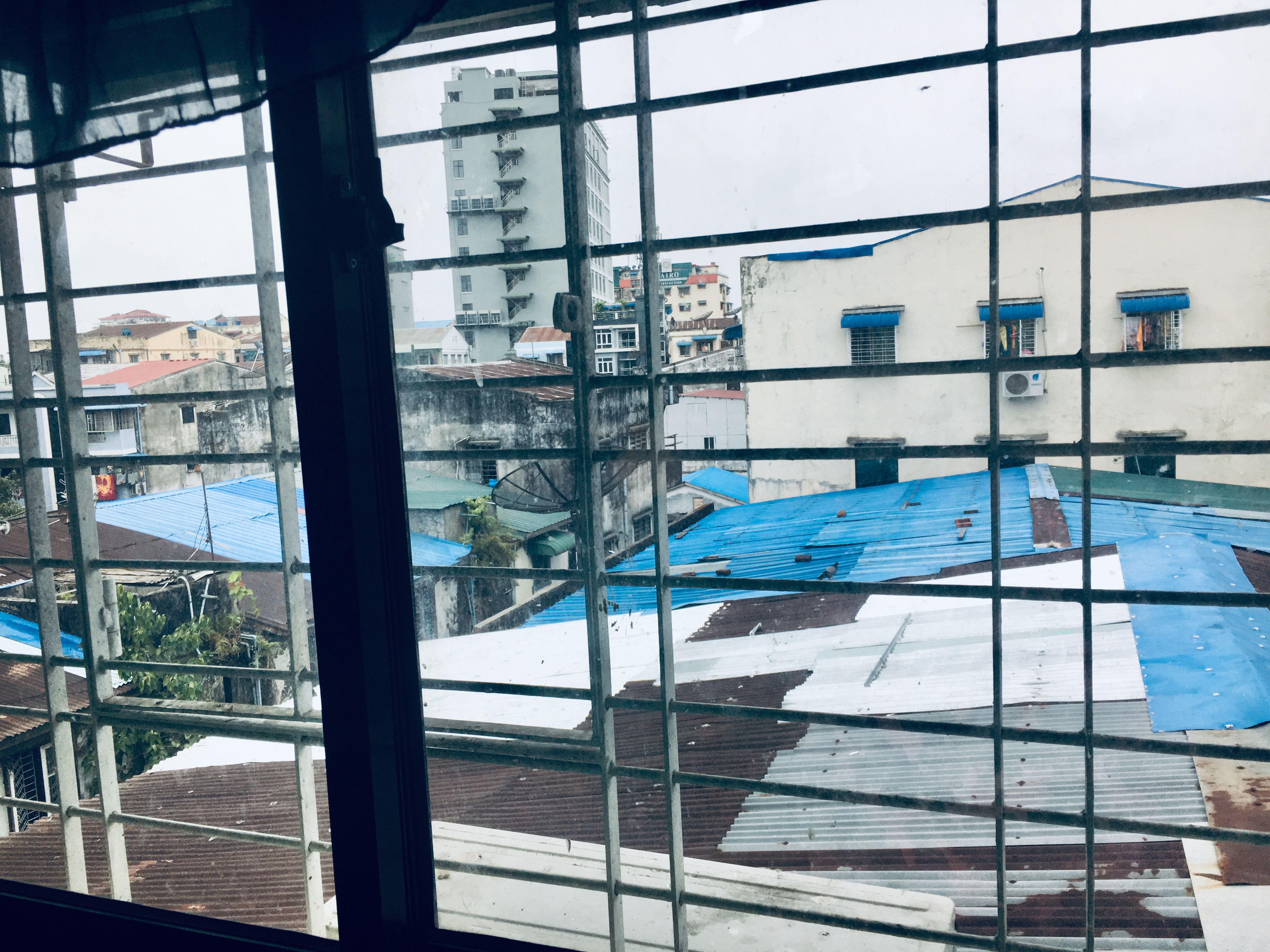
The interesting part I noticed about buildings and housing in Yangon is the use of locks. I have four keys to get into the apartment. And they are all for padlocks. Most places have open gates and utilize storage locks.
Immediately as I stepped into the apartment, I noticed it was cooler. What a relief. Come to find out that even in the apartment, particularly in each of the rooms we have our own air conditioning unit that we run all day and all night. It’s one of the main things that makes living in this situation much easier.
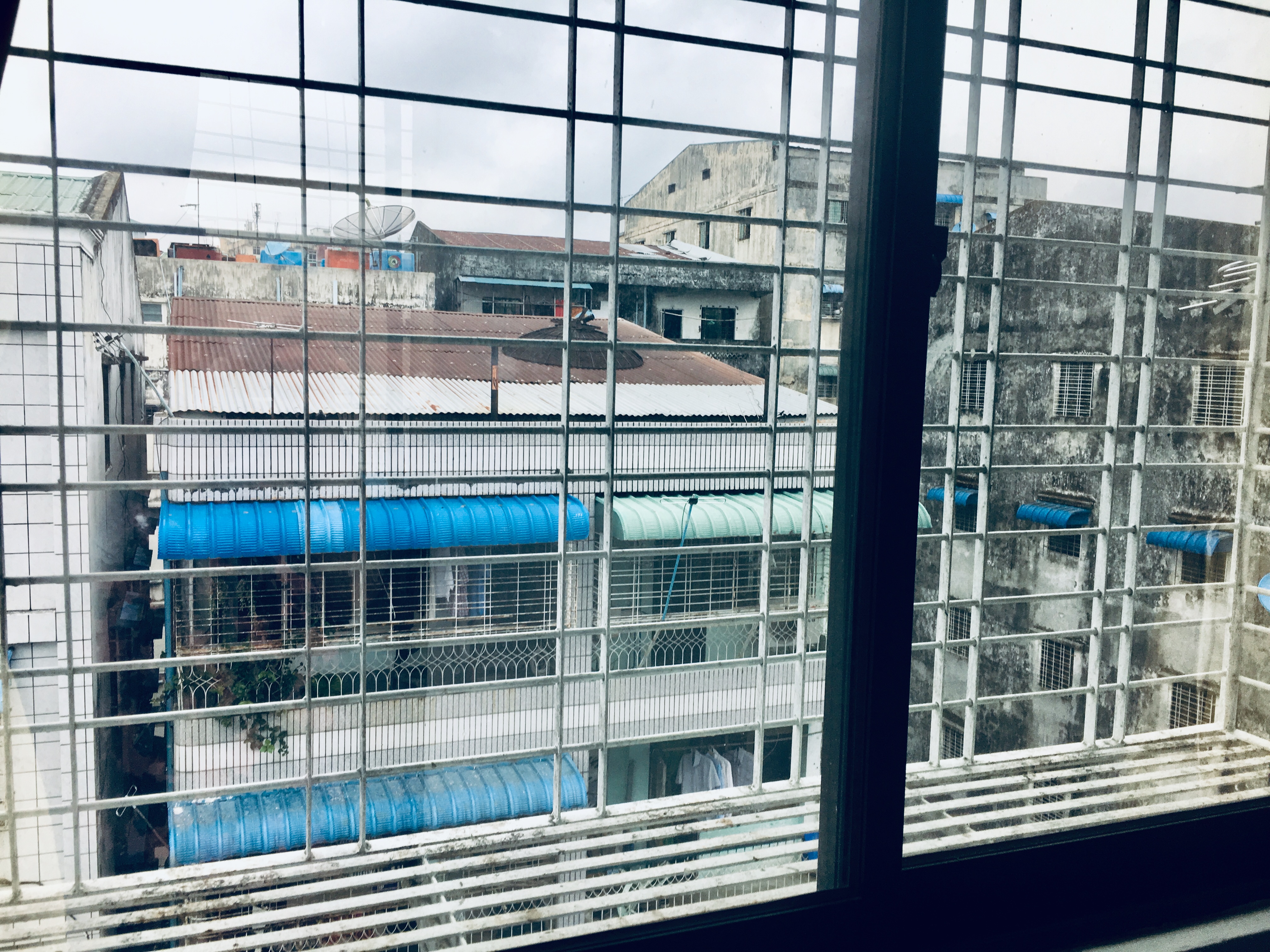
After dropping the stuff off at my new room, Divya and I chatted in the living room for a while. She is a former graduate of my program (Global Health Management and Policy) at the University of Michigan. They always say with an alumni network of over 600,000, wherever you go, go blue. I never would have imagined living in Myanmar with a University of Michigan alumna. How cool.
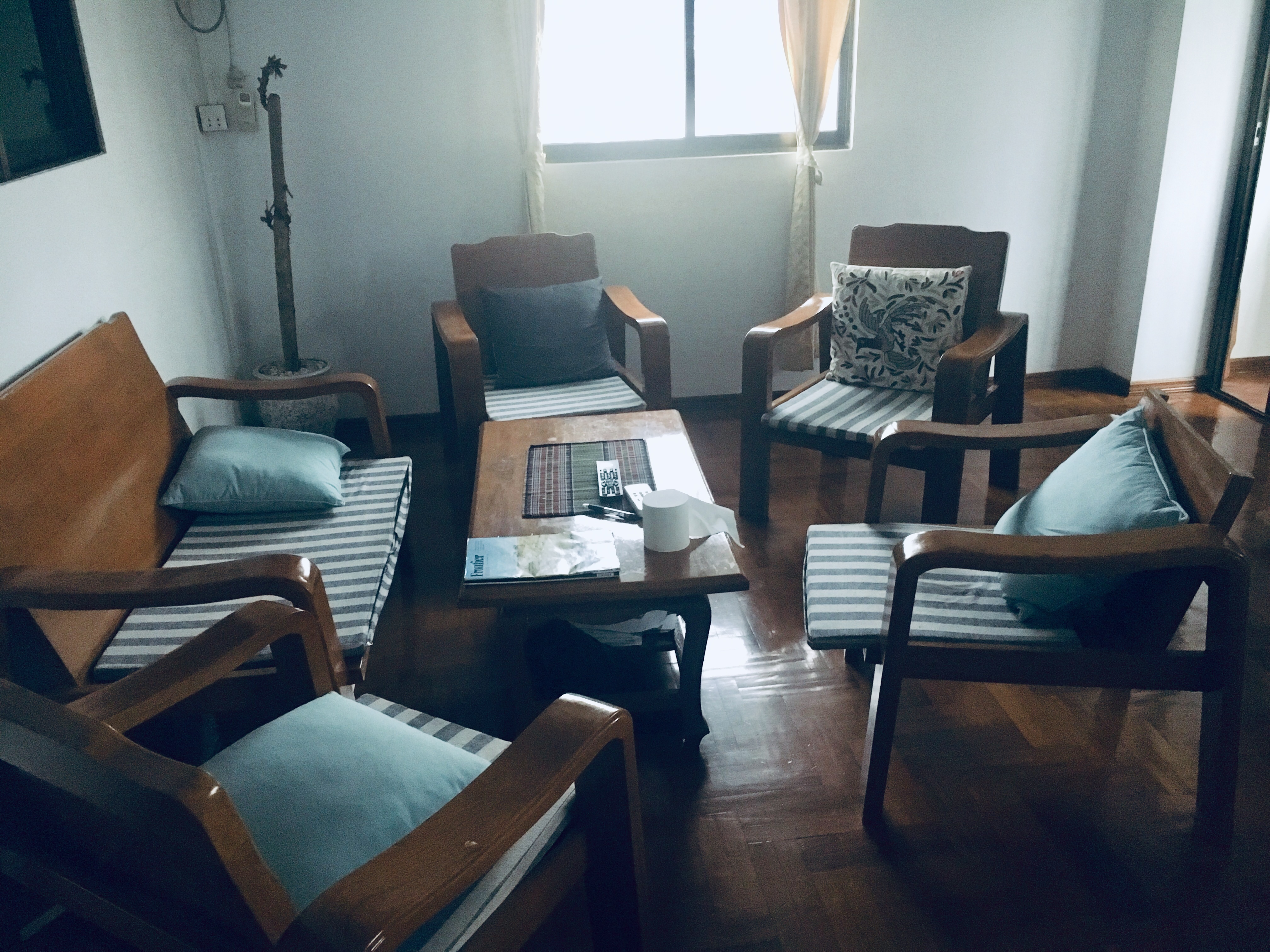
Honestly that’s one of the major aspects that has made this transition earlier is the Expat support. An expat is the shortened version of expatriate, or someone temporarily or permanently residing in a country other than their native country. Because it can be incredibly difficult to move away to a place that is foreign with nothing or no one to rely on, the expat community here is very strong. They buy and sell furniture and clothing, they rent their housing, and attend events and make friends with each other. I’m not sure if the expat community is as strong in other countries, but it gives me hope that I could possibly pick up and move to another country someday.
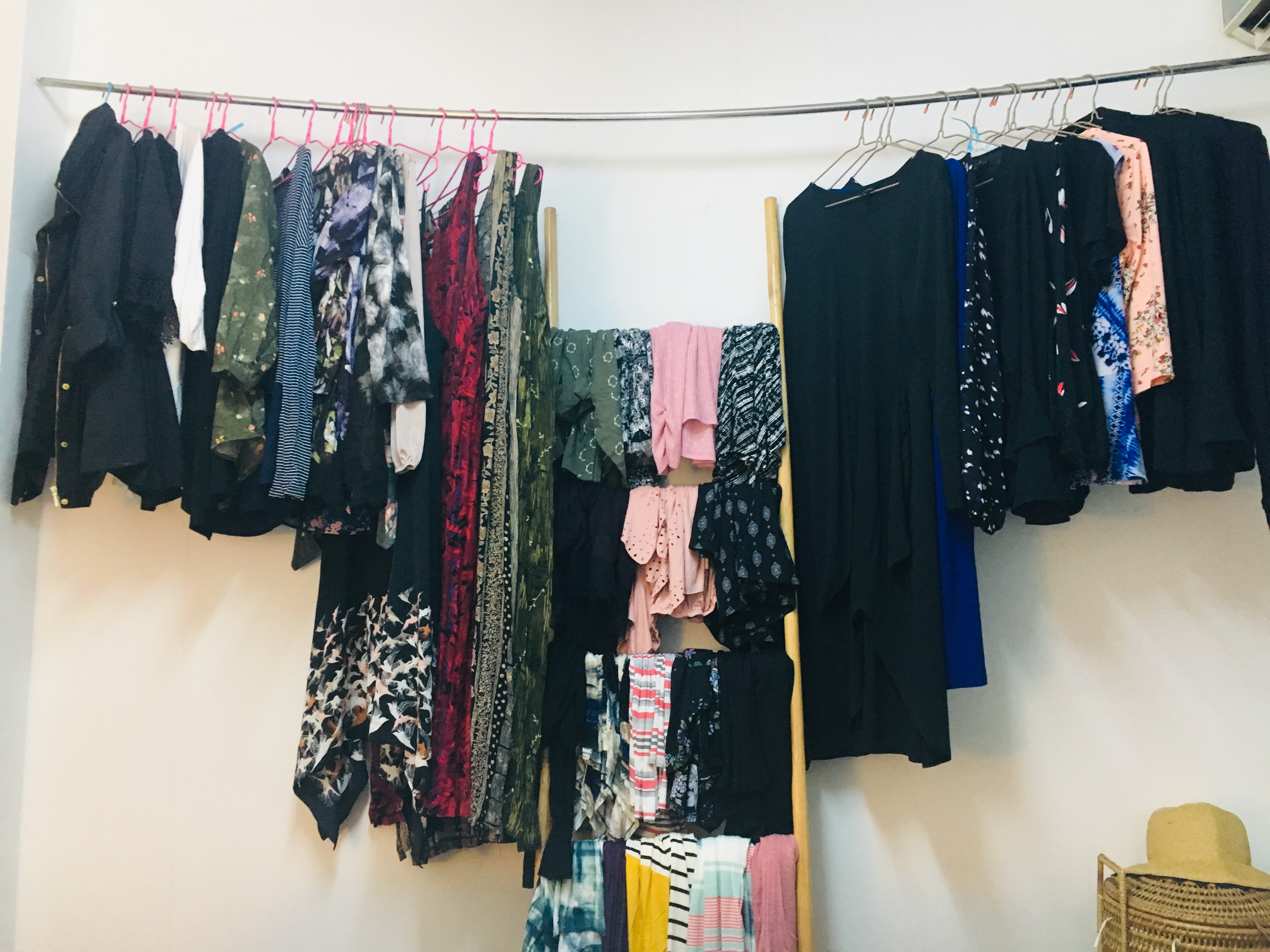
I couldn’t sleep still so instead I did what any rational person would do, stay up until 5am unpacking. People that have ever lived with me or have seen my room know that it’s very difficult for me to keep it clean. However, new Angie is trying to be better. I hung up all of my clothes neatly and after a few hours became exhausted. I softly laid my head down on the pillow and as I closed my eyes, I heard dozens of dogs barking in the night.

 Angie's International Blog